Sage Summer Camp 2026: Ten Days at UIC's EVL

From July 19 to July 28, 2026, thirty graduate students, postdocs, and early-career scientists took over the Electronic Visualization Laboratory (EVL) at the University of Illinois Chicago for the Sage Grande Summer Camp. They arrived from seventeen institutions across the United States. They left having developed fourteen working projects using real edge hardware.
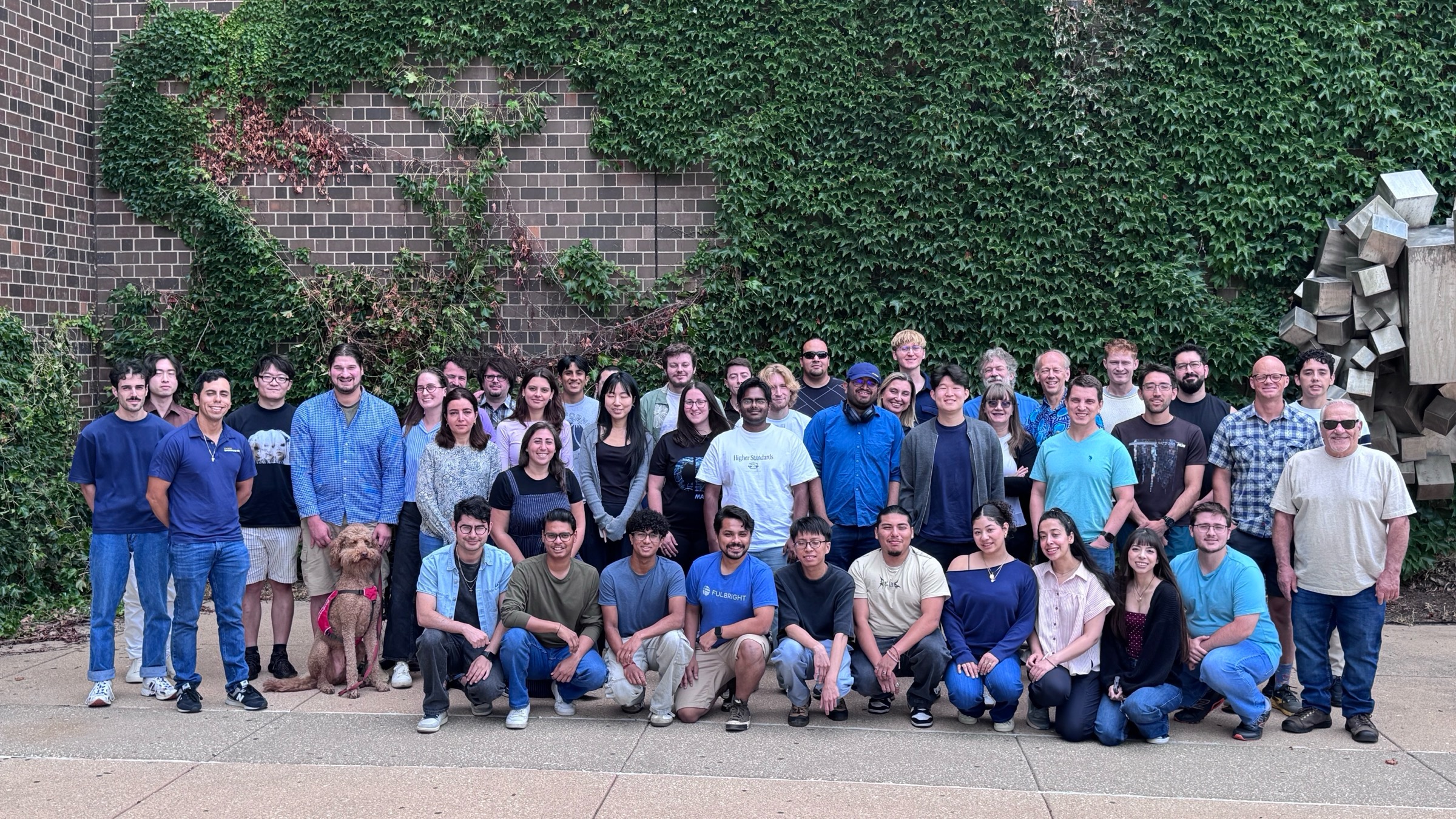
The premise was simple and slightly uncomfortable: you do not learn edge AI by reading about it. Every participant got the same agent (Hermes) and the same hardware (NVIDIA Jetson AGX Thor), a live Sage account, and ten days. What they built had to run on the node.
Participants
- Graduate student19
- Research staff / faculty4
- Undergraduate4
- Early career / recent grad3
The mix was deliberate. Ecologists sat next to systems programmers. A wild-rice phenologist from the Bad River watershed worked alongside people who had never labeled an image. Northwestern sent six, Colorado State and the University of Hawaiʻi at Mānoa three each, and most of the rest sent one or two, so nearly every team was assembled across institutions that had never worked together before.
The camp was mostly graduate students, about two thirds of the room. The rest were undergraduates, early career staff scientists, and research software engineers, working their projects .
Schedule for the camp
- Jul 19 SuCheck-in at EVL
- Jul 20 MSage foundations and system software
- Jul 21 TuAI toolchains, MCP servers, deep learning
- Jul 22 WFoundation models, image search, hacking
- Jul 23 ThProject work; NDP, NRP and NSF resources
- Jul 24 FSensors, hardware, physical integration
- Jul 25 SaCommunity day: hacking, river tour, pizza
- Jul 26 SuHacking and free time
- Jul 27 MAutonomous agents and the future; hack time
- Jul 28 TuFinal prep, presentations and demos
Each full day followed the same shape: open hacking from 8:00, a Q&A checkpoint at 9:15, then three-hour morning and afternoon sessions, and open hacking until 18:00 with instructors on hand. The instruction days moved deliberately outward from the platform to the science:
- Sage foundations accounts, finding nodes, working with data, SSH and development nodes, app development, publishing to ECR, and scheduling. Presentation blocks alternated with hands-on checkpoints.
- AI toolchains: code agents and MCP servers wired to Sage APIs, then a deep-learning grounding from Chris Lee so students could argue with a coding agent about a training loop rather than accept whatever it produced.
- Foundation models at the edge (Matthew Thompson, Ohio State / Imageomics): BioCLIP and taxonomic classification, zero-shot versus few-shot versus fine-tuning, and the compression work (distillation, quantization) that edge deployment forces. Francisco Lozano followed with a build-your-own Sage Image Search lab on the National Data Platform.
- NSF cyberinfrastructure (Ismael Perez and Pedro Ramonetti, San Diego Supercomputer Center): connecting Sage to the National Data Platform, the National Research Platform, and the Pelican data federation.
- Sensors and hardware (Rajesh Sankaran and Yongho Kim): the full integration path from connector pinout and power budget through containerization and data publication. Participants brought their own sensors.
Saturday was a community day: hacking in the morning, then the Chicago River architecture tour and deep-dish. Sunday was free. Monday the 27th turned to autonomous agents and where Sage goes next, and Tuesday was demos.
What was built
Fourteen projects were presented on the final day. Every one of them has a full report:
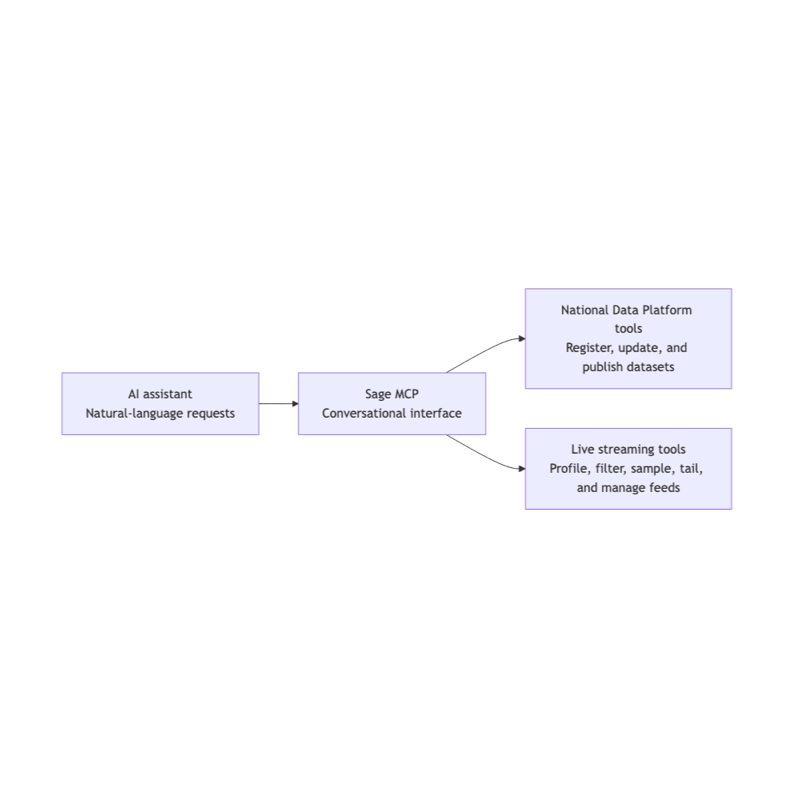
Sage-NDP-SciDx MCP
Pratik Kharade · Sajan Neupane
Lets a conversational agent register Sage query results as National Data Platform datasets and spin up filtered live streams, with edge provenance preserved end to end.
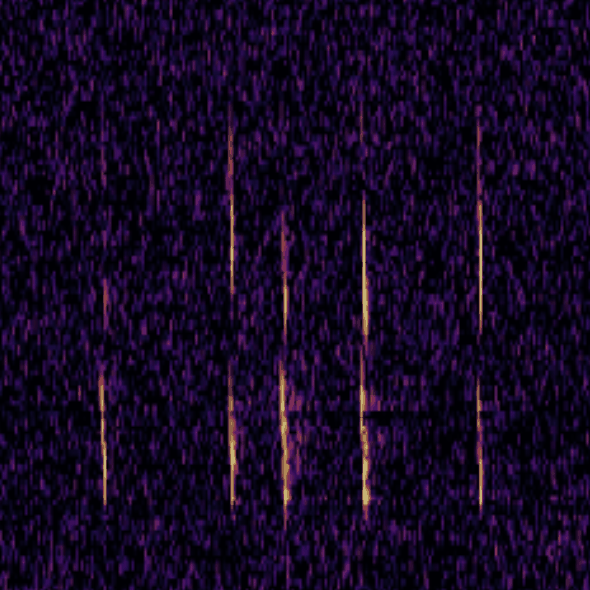
Edge Acoustic Sensing for Bat Detection
Jeongmin Chae · Julia Gersey
A reusable ultrasonic-mic package plus on-node chirp detection and species classification, with an autoencoder study of how few dimensions a bat call really needs.
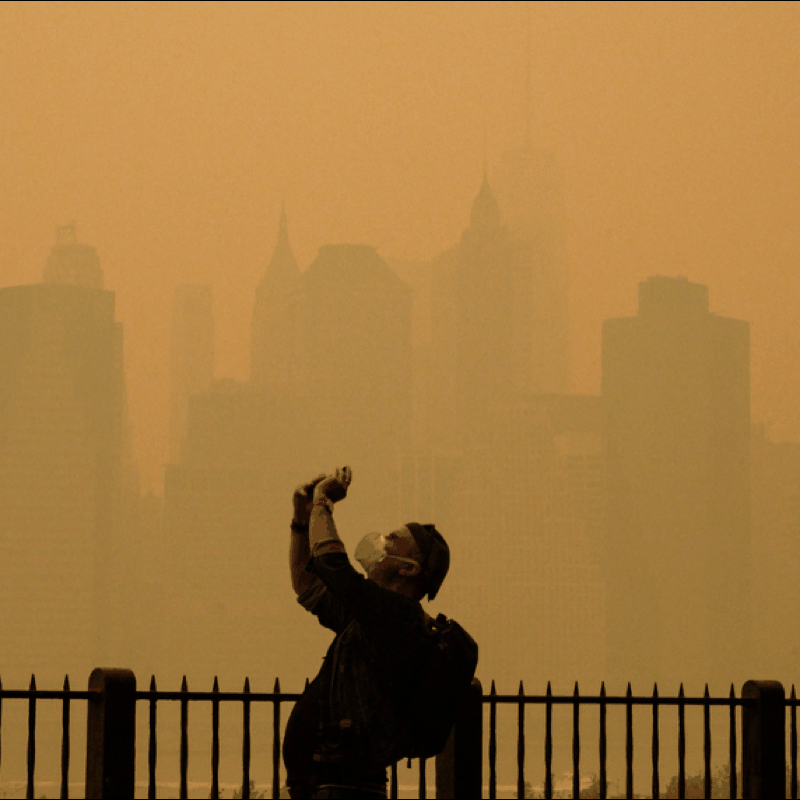
Air Quality Intelligence
JR Lee · Prithviraj Pramanik · Veda Yakkali · Anastasiia Lehova
Image-only and multimodal classifiers trained on Chicago node cameras and PurpleAir PM2.5, reading air quality off an ordinary ground-level photograph.
Manoomin Vision
Jordan Gurneau · Ella Neumann · Dave MacDonald · Deanna DiMonte
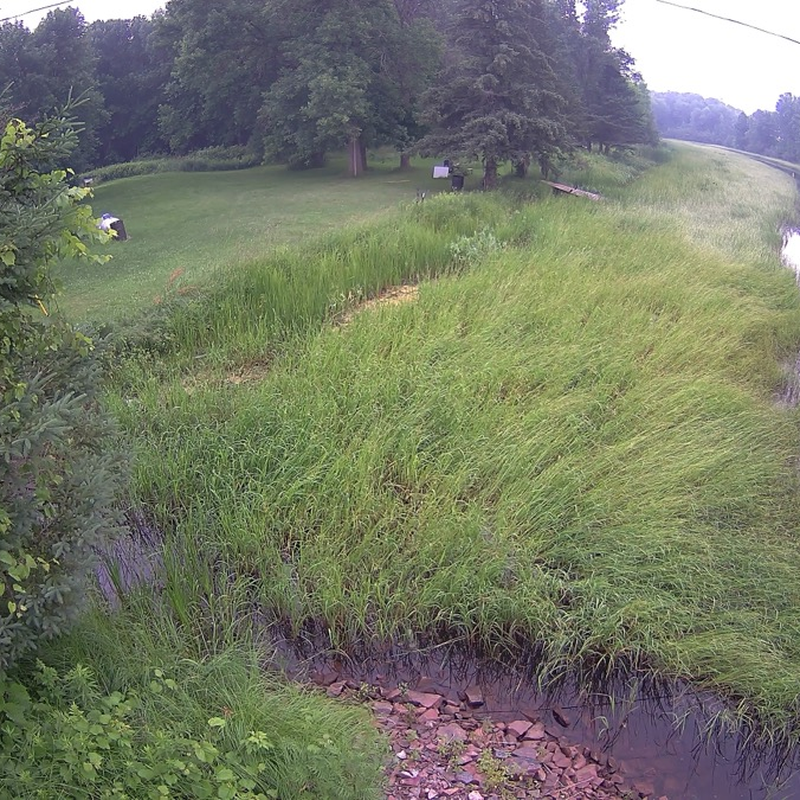
Frozen BioCLIP embeddings of a season of camera images from a Bad River marsh recover the phenology of manoomin (wild rice) with no labels at all.
Dangerous Animal Detection and Alerting
Saurav Koduri · Avasyu Chukkapalli
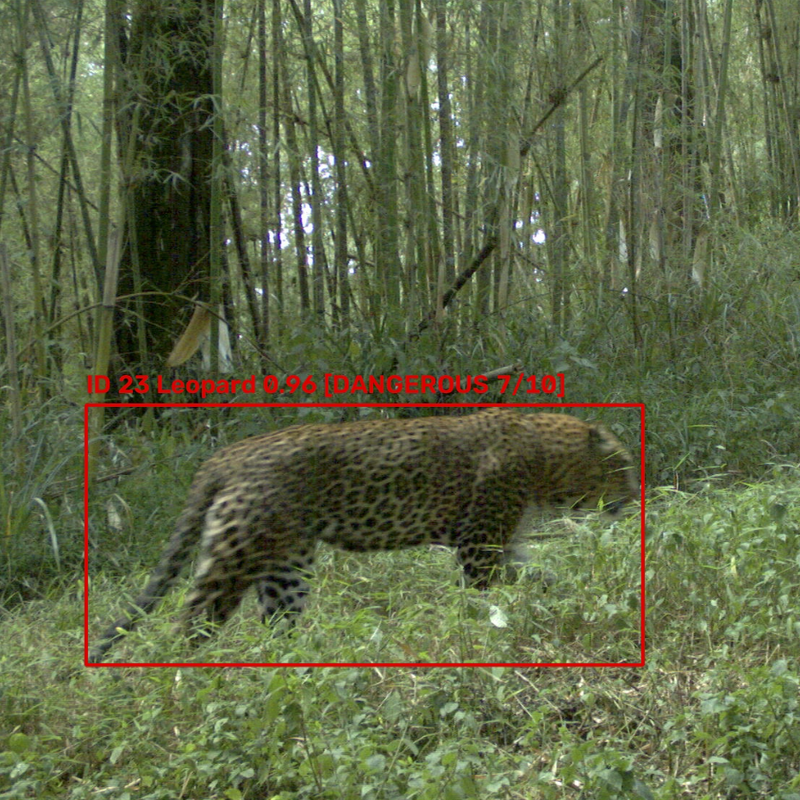
YOLO11 detection, BioCLIP2 species ID, and a Gemma risk rating chain into day-and-night alerts for bears, elk, and other animals worth knowing about.
Multimodal Drought Early Warning
Di Fan · Levi Johnson · John Blackwell · Atefeh Hosseini
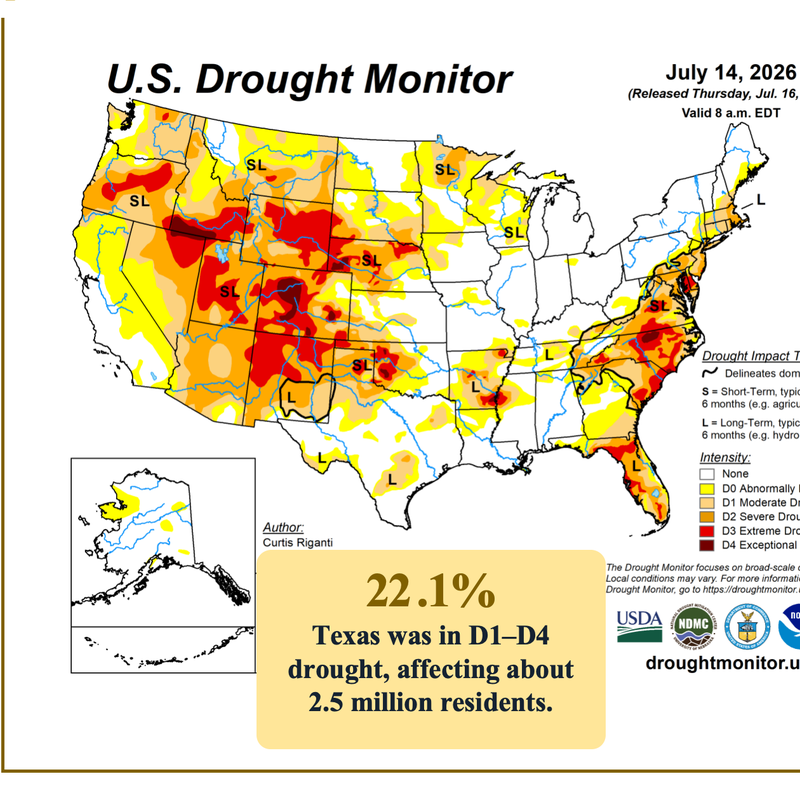
NEON soil and weather series meet PhenoCam greenness through a vision-language model, giving a Texas grassland site availability-aware drought risk in near real time.
BISONN: Biotic Interaction
Kyle Lima
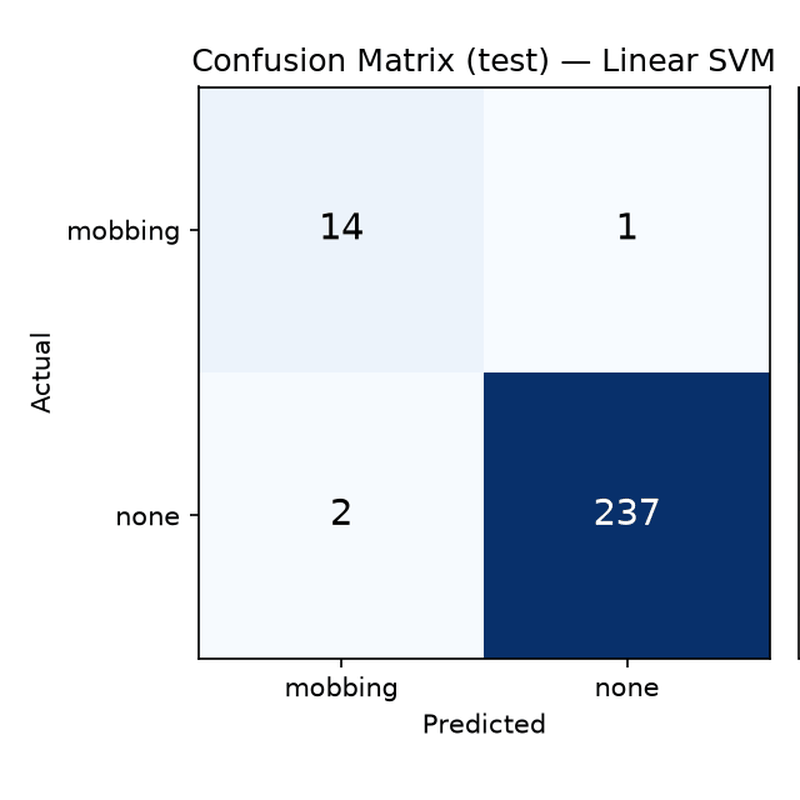
Compares BioCLIP and DINOv3 embeddings with lightweight heads to spot bird mobbing behavior, then ships the winner as a plugin sized for a node.
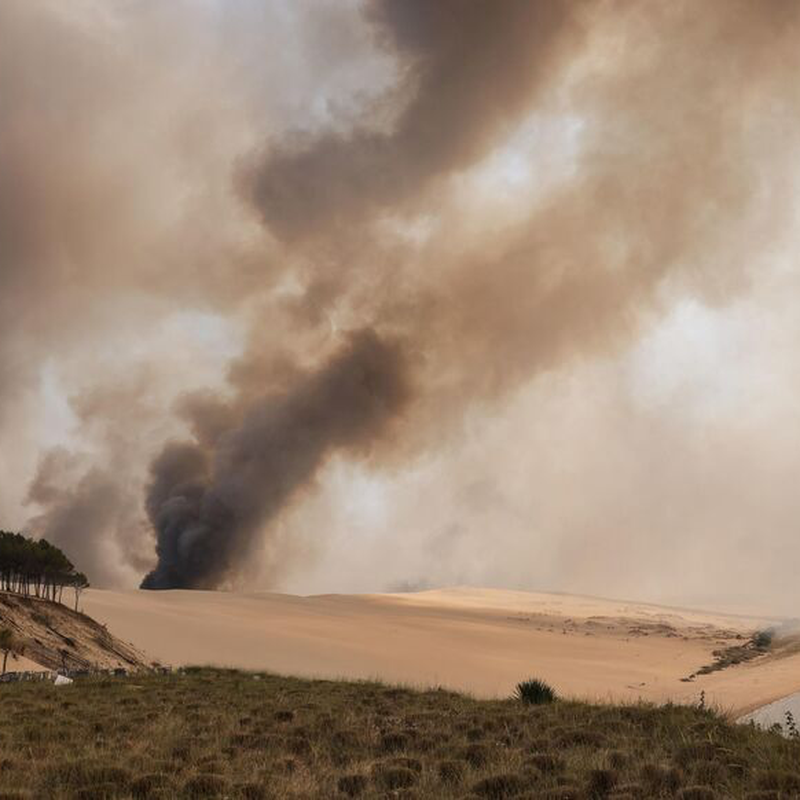
Resilient Urgent Scheduling
Dave MacDonald · Sean Huang · Clément Nunes
An explainable, application-agnostic urgent-computing policy inside the Waggle scheduler, so a smoke detection can outrank routine work without special-casing it.
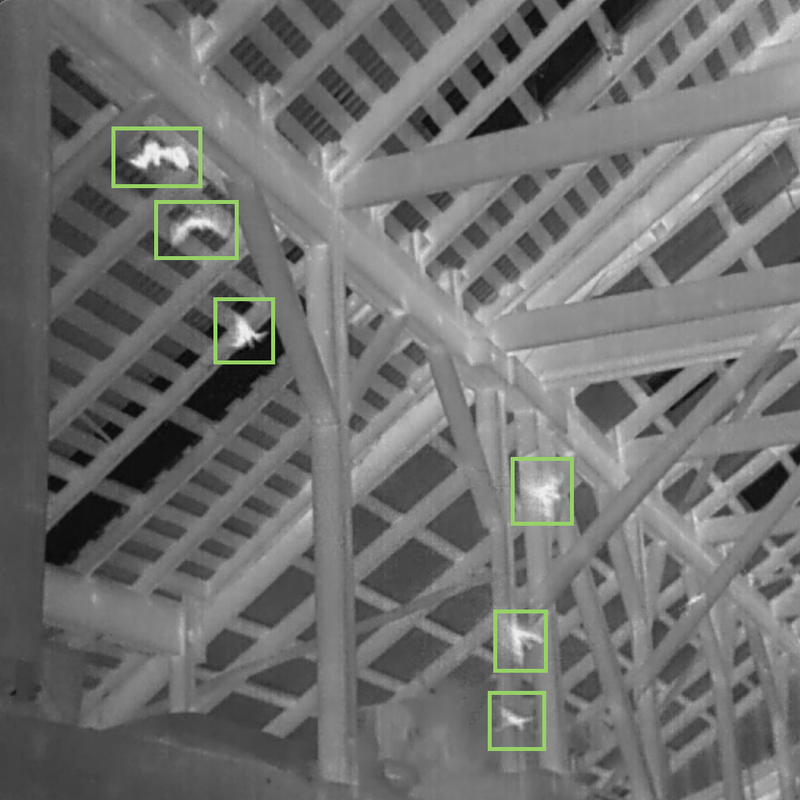
Sage Bat Counter
Noah Betoshana · Liam Fitzpatrick
YOLOv11 and SORT tracking count bats leaving a roost in thermal video, containerized to run on the Grande hardware instead of a workstation.
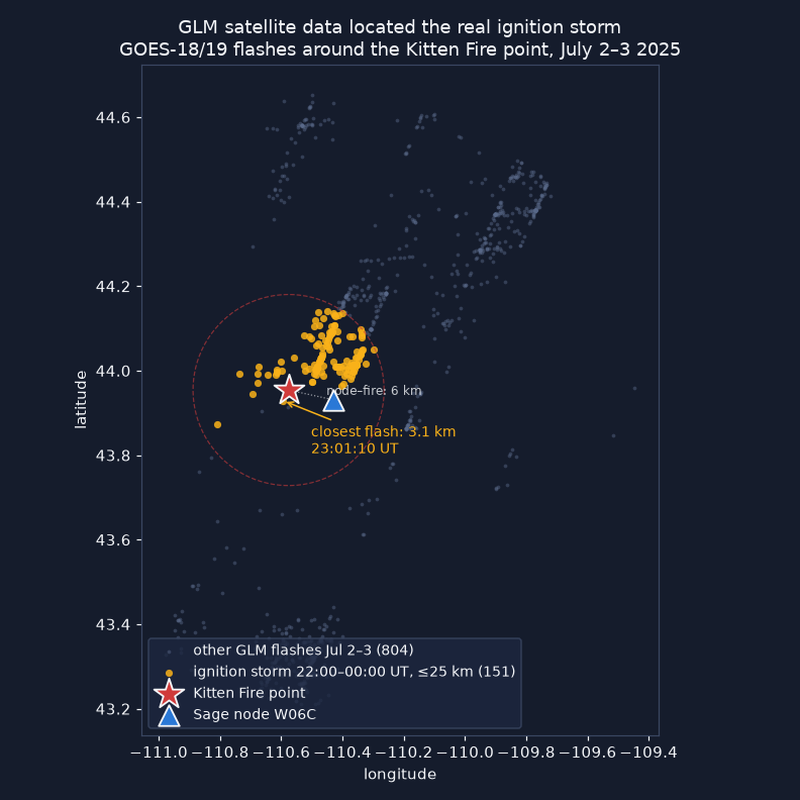
Lightning Localization & Ignition Watch
Samuel Watson
Existing cameras, mics, and weather stations locate a strike with no clock sync, then watch the spot for days for a holdover fire. Armed 145 minutes early on a real storm replay.
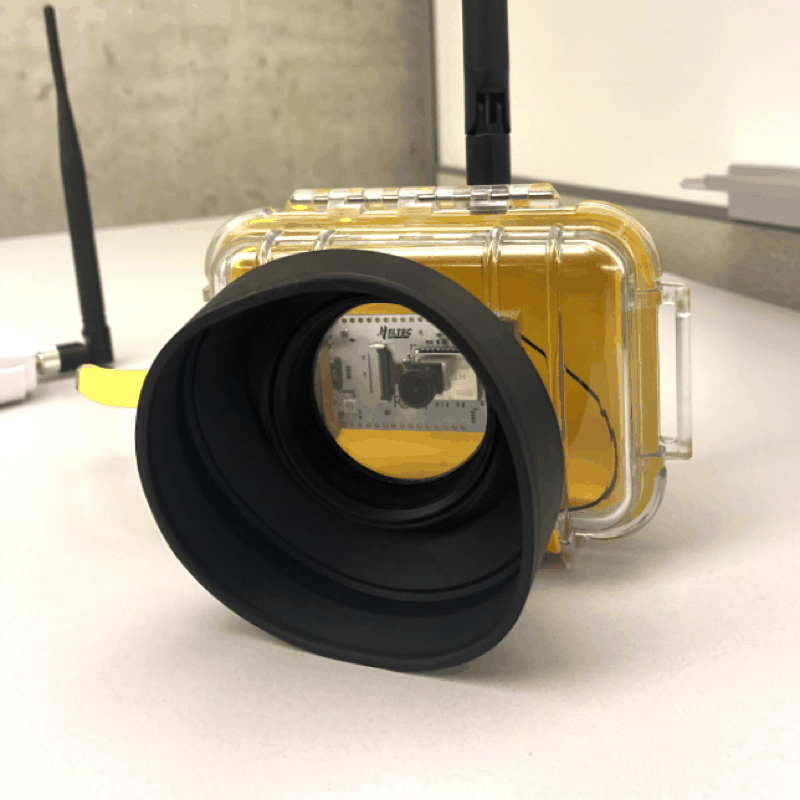
Sage-HaLow
Ben Owusu-Amo · Hairik Honarchian Saki
A solar ESP32-S3 camera reaches Beehive over 802.11ah, scoring frames on-device and spending radio time only when the scene actually changes.
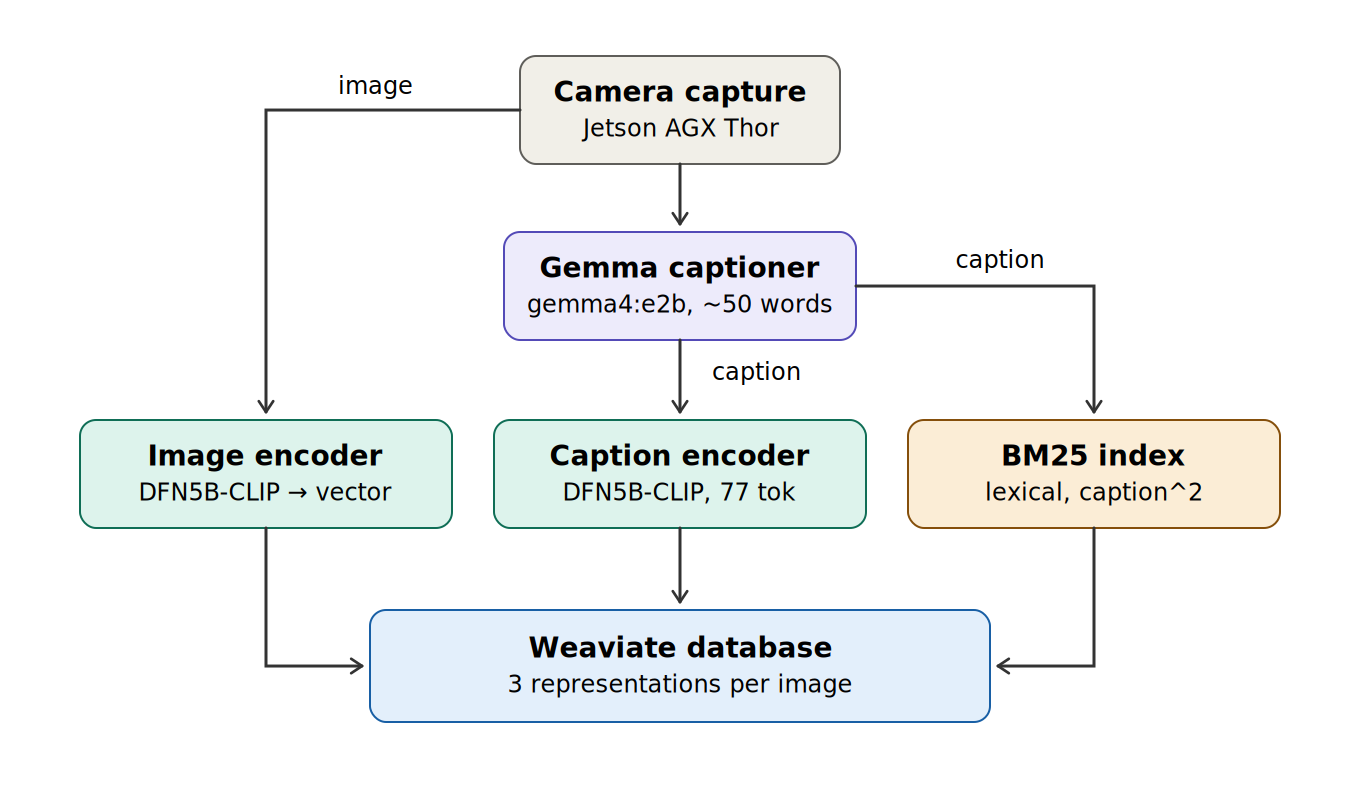
Image Search at the Edge
Sajan Neupane · Pratik Kharade
Captioning, CLIP embeddings, and BM25 fused in Qdrant give natural-language search over field imagery on a single Jetson AGX Thor, fully air-gapped.
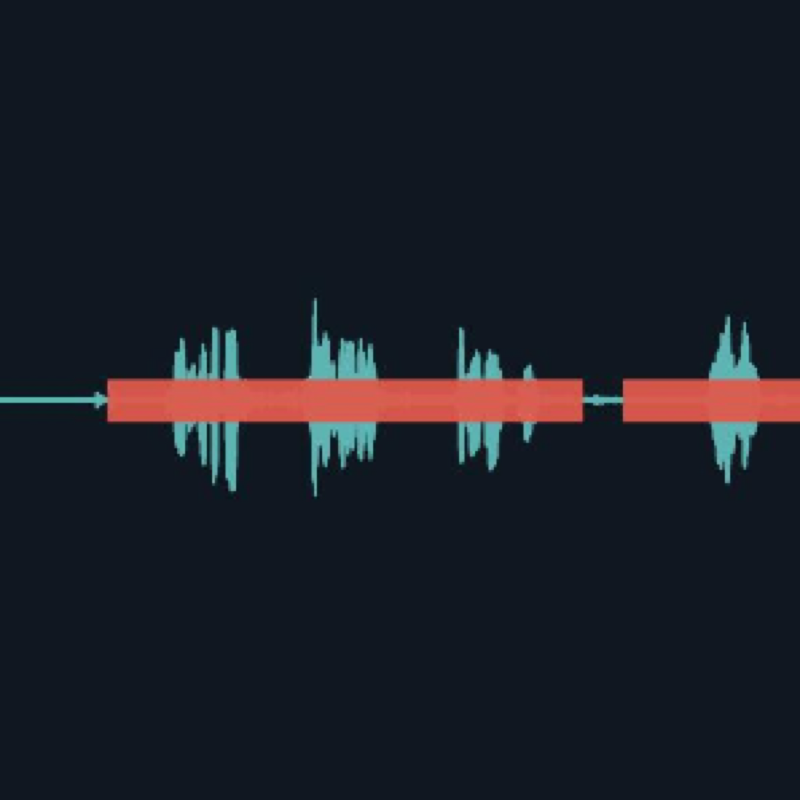
Speech Redaction at the Edge
Miguel Hernandez
A fail-closed YAMNet gate erases human speech in memory before BirdNET ever sees it, so a national-park node can keep listening for birds and never record a visitor.
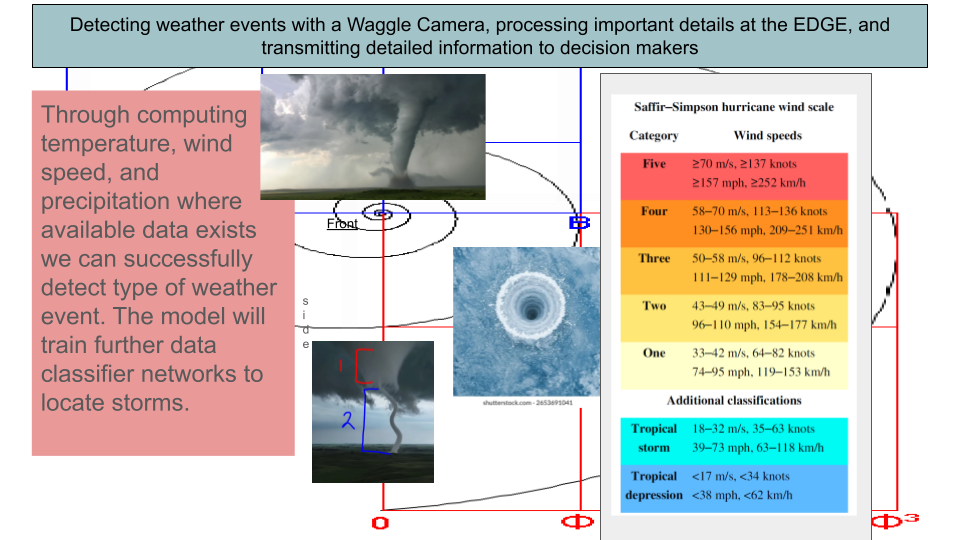
Weather Image Classification
Nathan Severyns
An exploration of whether node imagery and sensor health together carry an early signal of severe weather over Chicago.
Foundation models did most of the heavy lifting. BioCLIP, DINOv3, CLIP, and YAMNet all showed up, usually frozen, with a small head trained on top. Several teams found the frozen embeddings alone carried their signal: Manoomin Vision recovered the phenology of wild rice across a season without a single label.
Constraint drove most of the design work. Sage-HaLow scores frames on-device so the radio only wakes for a changed scene. Speech Redaction erases human voices in memory before the bird classifier runs, so a Haleakalā node can keep doing acoustic science without ever writing a visitor's voice to disk. Image Search at the Edge runs the whole retrieval stack air-gapped on one Thor.
Two projects went further than we expected. FlashPoint locates a lightning strike from flash-to-bang timing across several nodes, with no clock synchronization, then watches the spot for days for a holdover fire. On a replay of the storm that started the 2025 Kitten Fire, it armed 145 minutes before the first local flash. Mortimus added an explainable urgent-computing policy to the Waggle scheduler, so a smoke detection can pre-empt routine work without being special-cased.
The week also produced a dataset about itself. Every prompt, tool call, failure, and fix was logged: 9,077 messages, 4,424 tool calls, and 237.8 hours of agent wall-time. We mined it afterward to build a better shared agent profile: Many Agents, One Better Brain.
Educational successes
Seventeen of the thirty attendees filled out an exit survey (at this time). The clearest result is also the least surprising: the biggest gain in confidence was in deploying applications on edge devices, which is the hardest thing on the list to learn any way other than doing it on real hardware.
Every respondent rated themselves higher afterward on all ten skills. The gains are biggest where the week put the most hands-on time (edge deployment, sensors, debugging distributed applications) and smallest where people already arrived competent, like using AI coding assistants. Confidence in working with sensors rose from 2.9 to 4.1, which is roughly what a day of wiring real hardware to a real node buys you over a lecture about it.
Asked what they would do next, all seventeen said the camp made them more likely to pursue edge AI research, and all seventeen said they had learned skills they could apply immediately. Twelve of the seventeen finished confident they could deploy an application on Sage on their own. The average likelihood of recommending the camp to a colleague was 9.0 out of 10.
My sense of what’s achievable in edge AI computing shifted from something only specialized teams do to something within my own personal reach.
Before this, I thought of edge-AI systems like Sage as a completely separate world from my usual work. That’s changed how I think about what’s possible for real-time monitoring at remote sites.
The biggest thing I learned was how open many people can be to helping others learn. Regardless of your experience people were willing to help out without any judgement.
Combining ‘domain scientists’ with ‘computer scientists’ was a great way to collaborate on building out these mini projects.
I experienced a much faster way of working, with fewer limitations on data access and computing resources. This genuinely changed the way I think about the end-to-end development of an application.
Thanks
A special thanks to all of the participants, along with the invited speakers and instructors: Chris Lee (University of Hawaii), Matthew Thompson (Imageomics Institute, THe Ohio State University), Ismael Perez (SDSC, University of California, San Diego), Pedro Ramonetti (SDSC, University of California, San Diego). Also, thanks to Mike Papka, Luc Renambot, and all of the EVL Students at UIC's EVL for hosting a lab full of people and hardware for ten days.
Browse every report on the AI & Science page, or see the event page for the full program.
Photos


